5 Self-Hostable Apps You Wish Your Business Knew About
Most small businesses run on rented software.
Your inbox, bookings, customer data, and analytics all live inside platforms you don’t control, charge more every year, and can change the rules at any time. It works until pricing increases, features disappear, or you outgrow what the tool was designed for.
Owning your applications changes that dynamic.
Self-hostable apps let your business run on tools you own, not subscriptions you’re locked into. That means:
- No per-user or per-booking fees
- No sudden pricing changes
- No platform lock-in
- Full control of your data and workflows
This isn’t about being technical or “running servers yourself.” It’s about choosing software that grows with your business instead of taxing it as it grows.
For ecommerce brands and service businesses, this approach often leads to simpler systems, lower long-term costs, and smoother day-to-day operations.
Here are five self-hostable apps we’ve tested and use regularly. They replace common business software and make running a business easier.
1. Libredesk
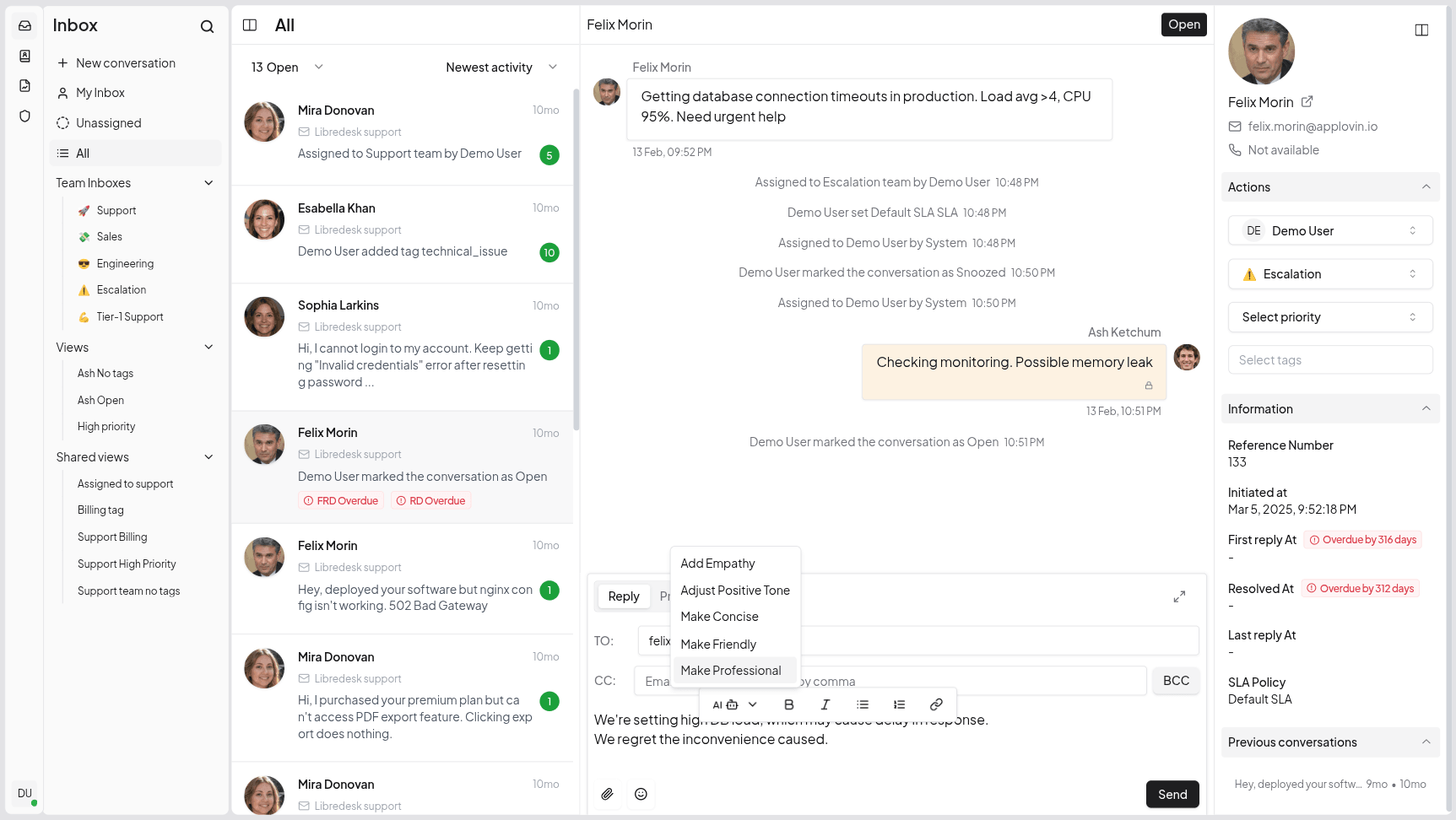
One inbox for all customer conversations
If customers contact you through multiple emails, contact forms, or team members, things fall through the cracks fast.
Libredesk gives you a single shared inbox where:
- Every message is visible
- Conversations have clear ownership
- Nothing gets lost or double-replied
For ecommerce, this means smoother handling of order questions, returns, and delivery issues.
For service businesses, it centralizes booking enquiries and pre-sale questions in one place.
Instead of messy email threads, you get clearer handoffs, accountability, and faster responses without paying per seat.
2. n8n
Automate bookings, emails, follow-ups, and admin
Every business has invisible admin work:
- Sending confirmation emails
- Adding customers to a list or CRM
- Notifying staff of new bookings or orders
- Following up after a session or purchase
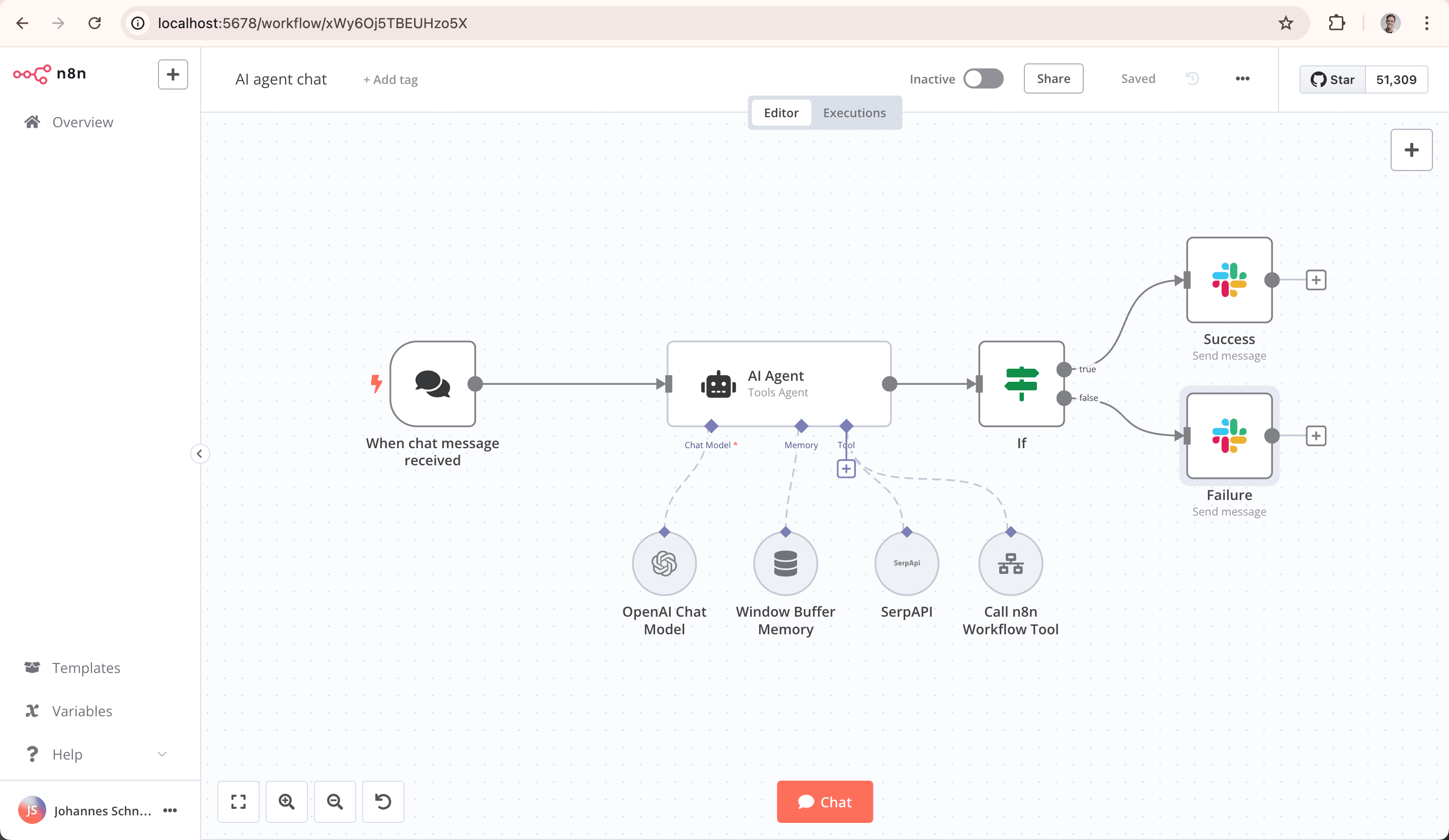
n8n connects your tools so this work happens automatically.
Instead of copying and pasting data between systems, or paying monthly fees for automation tools, n8n quietly runs in the background and keeps everything in sync.
The result is fewer mistakes, less manual work, and systems that actually talk to each other.
3. Twenty CRM
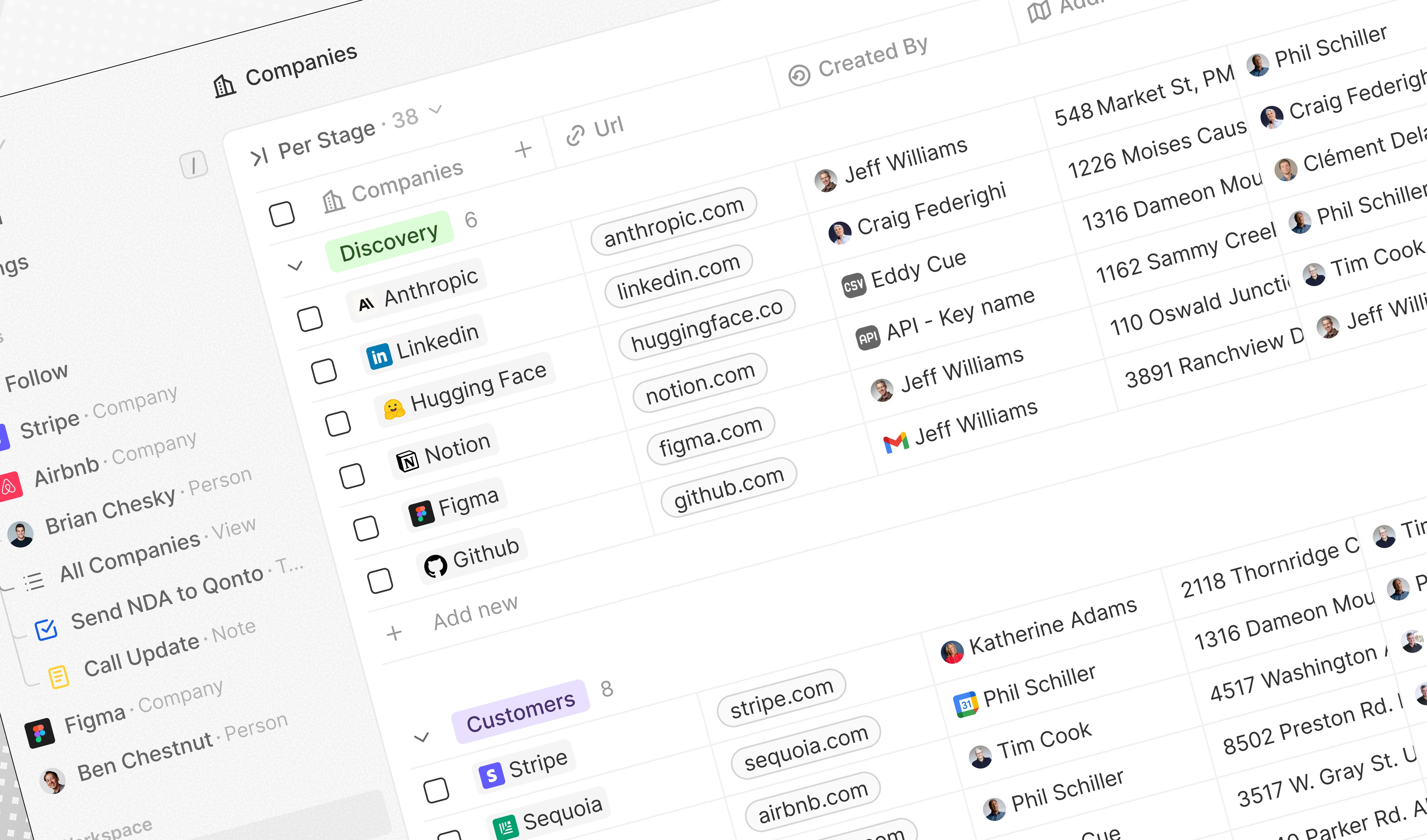
Track customers, leads, and repeat business
Most small businesses don’t need enterprise-grade CRMs. They need:
- A clear list of customers and leads
- Notes and conversation history in one place
- A simple pipeline for enquiries or sales
- Visibility into repeat customers
Twenty CRM focuses on exactly that.
For service businesses, it helps track enquiries, conversions, and returning clients.
For ecommerce brands, it adds structure to customer relationships beyond just orders.
It’s a clean system that helps you understand who your customers are and where revenue actually comes from.
4. Cal.com
Own your bookings (classes, lessons, sessions)
If your business sells time, lessons, sessions, classes, consultations, your booking system is your revenue engine.
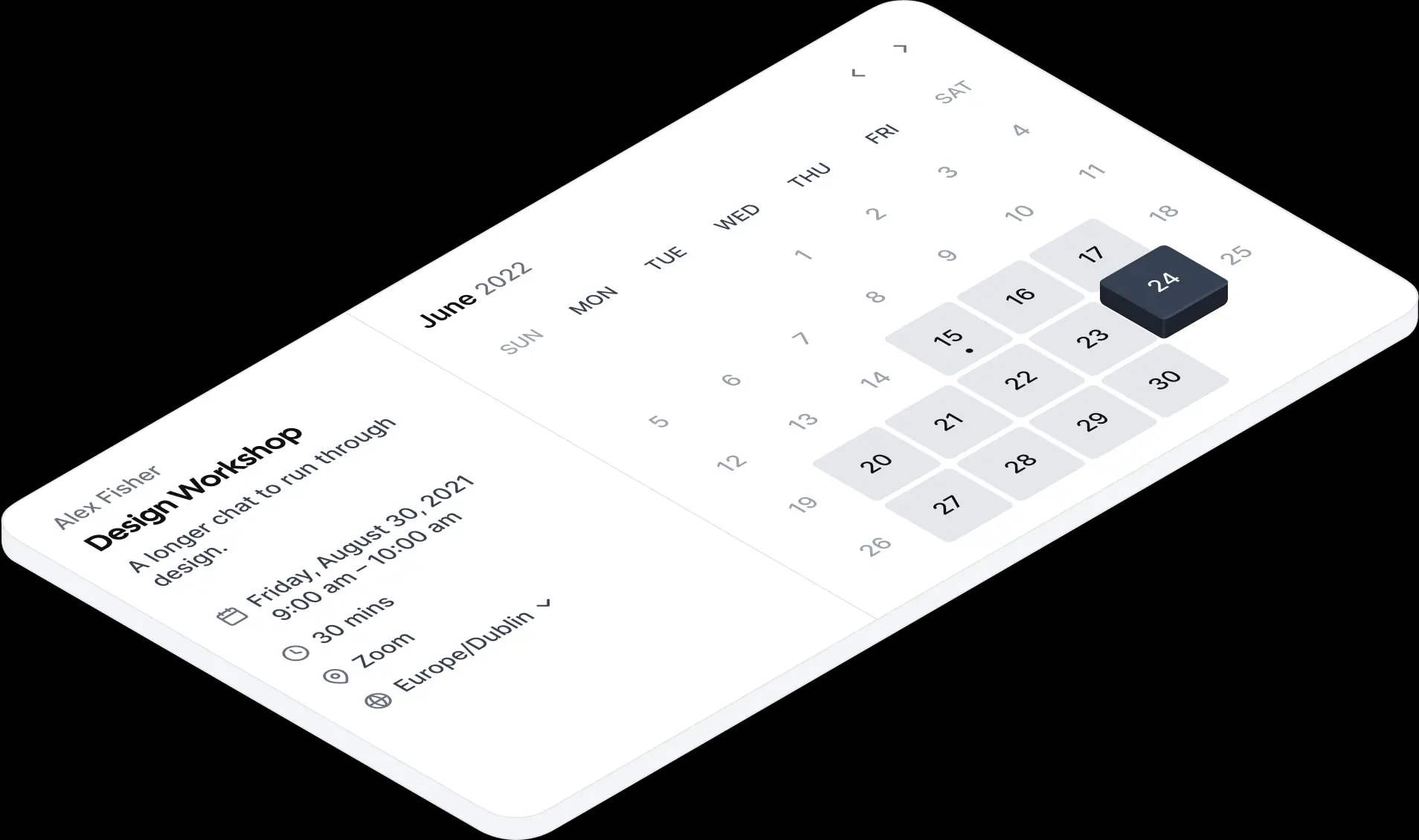
Cal.com lets you:
- Offer online bookings
- Manage availability and buffer times
- Support multiple services or instructors
- Embed bookings directly into your website
Unlike most booking platforms, you’re not locked into per-user pricing or third-party branding. You own the booking flow, the customer data, and the experience end to end.
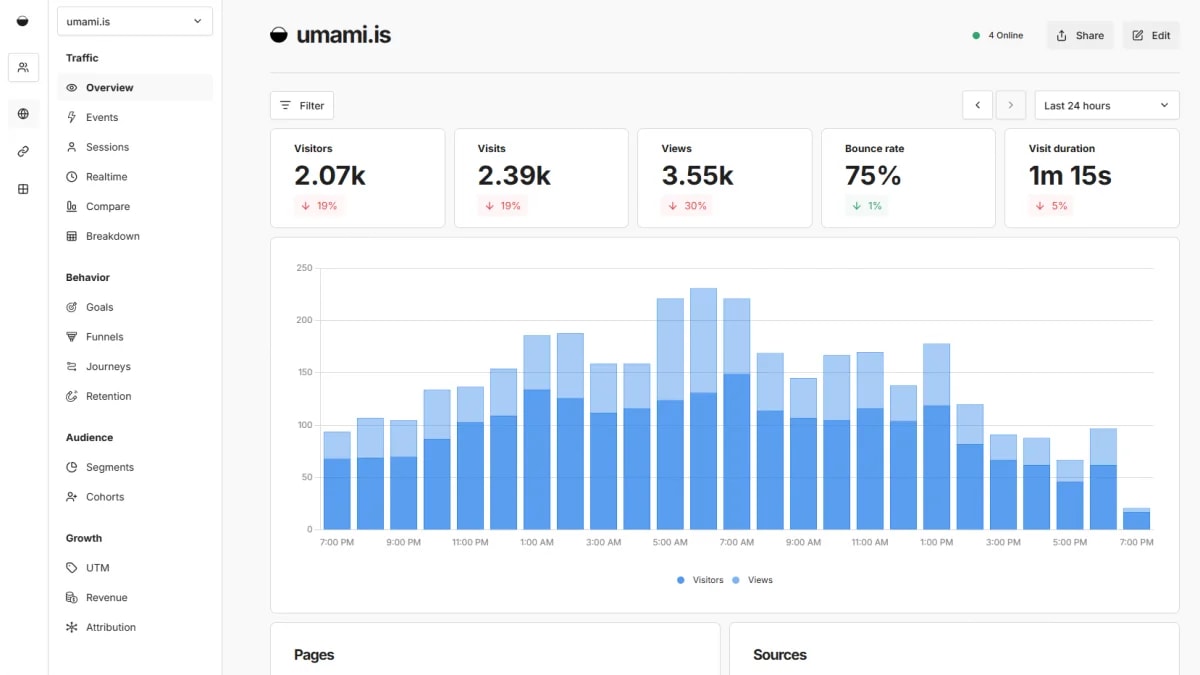
5. Plausible or Umami
Understand what’s actually driving sales
Most business owners don’t want analytics dashboards, they want answers:
- Where are customers coming from?
- Which pages convert?
- Which campaigns actually work?
Plausible and Umami strip analytics back to what matters.
They’re simple, privacy-friendly, and easy to understand without cookie popups, confusing reports, or reliance on Google Analytics. Especially useful for businesses that want clarity without compliance headaches.
Why this approach works
Self-hosting isn’t about being anti-SaaS.
It’s about owning the core systems your business depends on.
When your tools are owned, not rented:
- Costs are predictable
- Data stays with you
- Systems can adapt as your business grows
For many small businesses, this ends up being quieter, simpler, and more sustainable in the long run.
How Panther & Cub fits in
Self-hostable apps are powerful, but setup, hosting, updates, security, and backups still matter.
That’s where Panther & Cub comes in.
We help ecommerce and service businesses:
- Choose the right tools for their workflow
- Set them up properly
- Host and maintain them reliably
- Keep everything secure, monitored, and backed up
You get the benefits of owning your software without becoming your own IT department.
If you’re curious whether this approach makes sense for your business, we’re happy to walk you through it.
Other Articles

Label One Theme
A premium Shopify theme that redefines the intersection of commerce and design.
Application Period
Now Open
Onboarding
Limited capacity initiative for strategic brand partnerships
Ciao Italia
Strategic European expansion bringing enhanced creative services to European brands and exclusive photography offerings.
More articles coming soon